Can fibromyalgia cause bone pain without joint involvement?
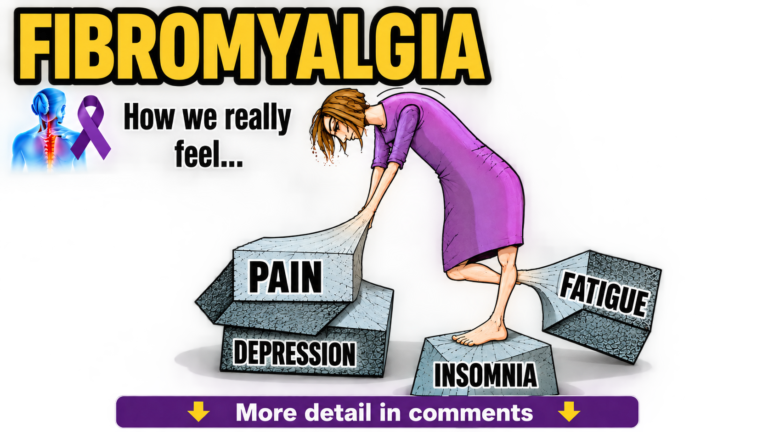
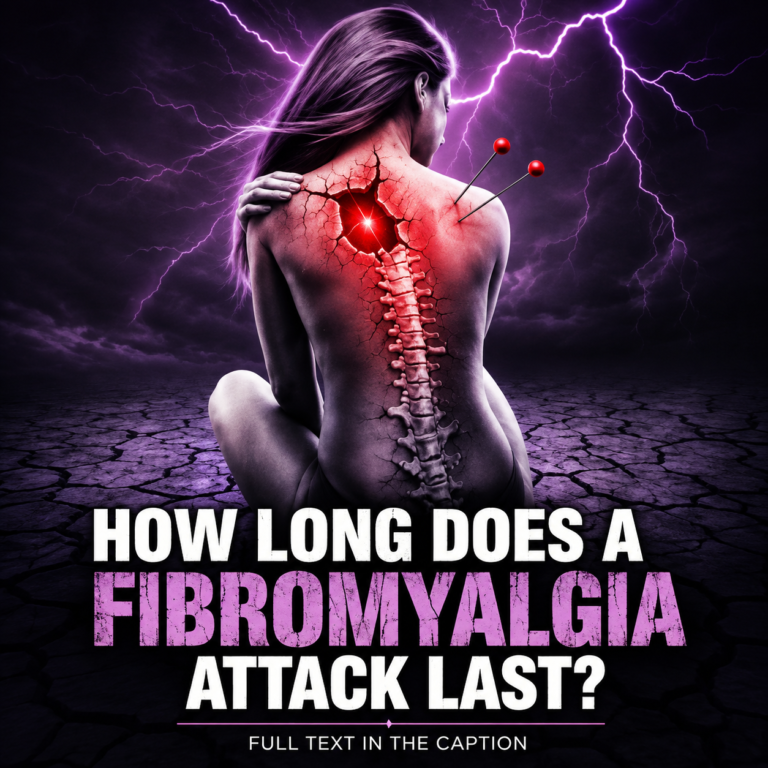
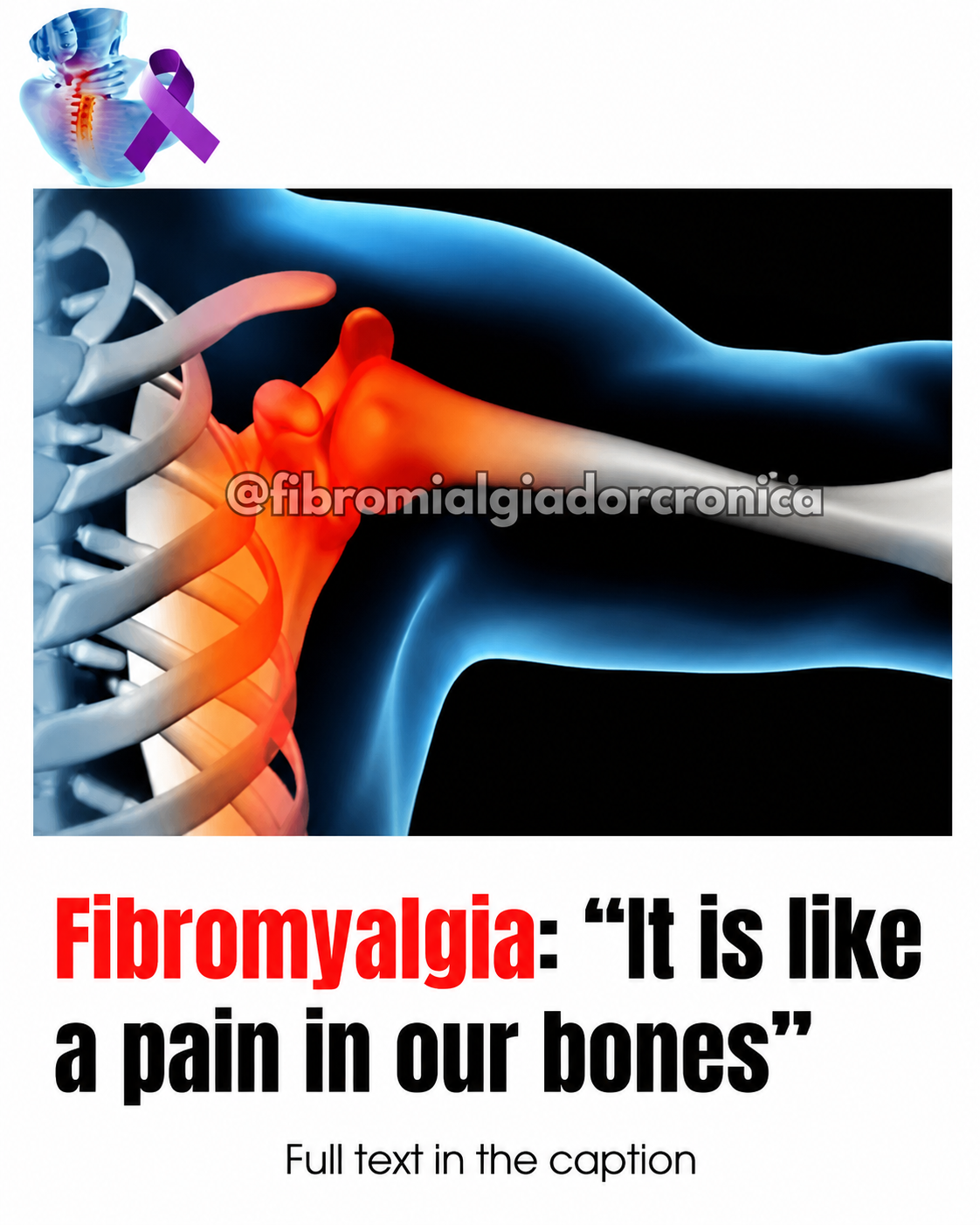
 Many people describe fibromyalgia as “bone pain” because the pain can feel deep, intense, and difficult to pinpoint. However, it is important to explain that fibromyalgia does not actually affect the bones themselves. It is a disorder of the central nervous system that causes the brain to interpret signals from the body as constant and amplified pain.
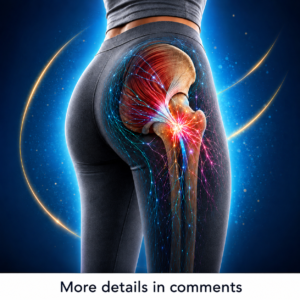
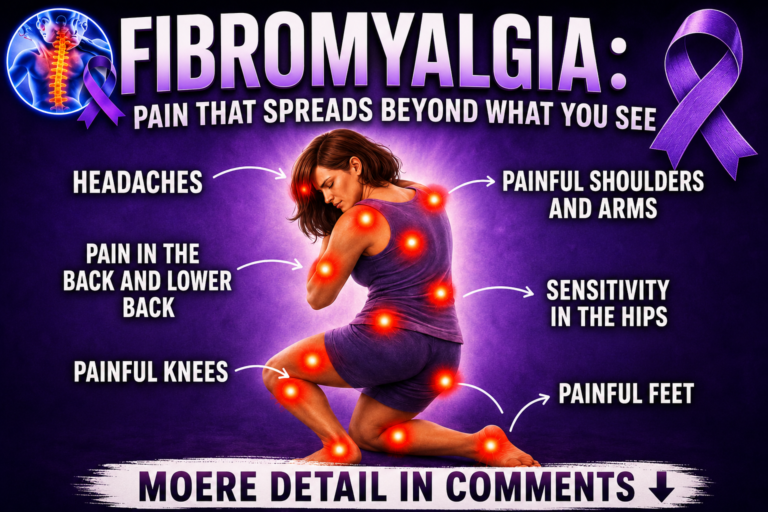
The feeling of pain “inside the bones” happens because fibromyalgia mainly affects muscles, tendons, fascia, and joints, as well as the way the brain perceives sensations from these structures. Because the pain can be widespread, persistent, and penetrating, the body may interpret it as something coming from deep inside — which is why people often compare it to bone pain.
🔸 The pain is widespread and can occur on both sides of the body.
🔸 It may feel like burning, throbbing, pressure, or aching.
🔸 It can create a feeling of heaviness, stiffness, and a body that feels bruised all over.
🔸 It may become worse with cold weather, stress, physical exertion, or lack of sleep.
▪️ Many people say: “It feels like my bones hurt.”
▪️ Others describe it as: “It feels like my whole body is bruised from the inside.”
Despite the intensity of the sensation, bone examinations, X-rays, and CT scans are often normal, which can lead to frustration and misunderstanding. This does not mean the pain is not real. On the contrary, it reflects the fact that the problem lies in the way the nervous system processes pain rather than in a visible injury.
Fibromyalgia does not erode the bones, but it can erode the comfort, sleep, and energy of those living with it. It is real, deep, and often persistent pain — felt as though it is coming from the bones, even though its underlying cause is related to how the nervous system processes pain.